

The Bear Essentials knot library
Knot tying tutorials
Find a knot by name, use, type or activity. Open a tutorial for tying instructions, practical uses and limitations.

Filter by knot limits
These filters remove listed cautions and unassessed cases. Choose a knot using the tutorial’s material, loading and safety limits.
Results update as you choose. Easy means easy to learn; read each tutorial’s use and rope limitations.
What would you like to do?
More things to do
Explore the library
289 published tutorials · A–Z
A(18)

Adjustable Grip Hitch
Best for: Sliding and gripping a line
The Adjustable Grip Hitch is a friction hitch used for tensioning lines, such as tent guylines or tarp ridgelines.
Tying difficulty: Easy
- Caution on slick rope
Friction HitchesView 3D
Airplane Hitch
Best for: Sliding and gripping a line
The Airplane Hitch doubles up two Midshipman's Hitches to hold aircraft and gear through gusting wind, then releases fast once the tension's off.
Tying difficulty: Practice needed
Friction HitchesView 3D
Alberto Knot
Best for: Joining two lines
The Alberto Knot ties braid to a fluorocarbon or mono leader, gripping slick line better than the plain Albright it upgrades.
Tying difficulty: Moderate
- Hard to untie

Albright Knot
Best for: Joining two lines
Is commonly used to join braided fishing line to monofilament or fluorocarbon leaders, especially in saltwater fishing.
Tying difficulty: Practice needed
- May jam when set
FishingView 3D
Alpine Butterfly Bend
Best for: Joining two lines
A strong and reliable knot for joining two ropes, even under heavy tension.
Tying difficulty: Practice needed
BendsView 3D
Alpine Butterfly (Bi-Directional)
Best for: Making a loop mid-line
Learn to tie the double alpine butterfly — a bi-directional loop knot with two independent, opposed eyes for clip-in points, rigging, and load isolation.
Tying difficulty: Practice needed
Mid-Line KnotsView 3D
Alpine Butterfly (Hand Method)
Best for: Making a loop mid-line
Tie a fixed loop in the middle of a rope using a hand-wrap method. Work on an unloaded line.
Tying difficulty: Practice needed
Mid-Line KnotsView 3D
Alpine Butterfly Loop
Best for: Making a loop mid-line
A fixed loop tied in the middle of a rope. The tutorial covers its three-way loading and dressing requirements.
Tying difficulty: Practice needed

Alpine Coil
Best for: A tying or rope-handling method
Learn the alpine coil (mountaineer's coil) — coil a climbing rope for shoulder carry and instant deployment, plus the over/under fix for rope twist.
Tying difficulty: Moderate
Whipping / CoilingView 3D
Anchor Hitch
Best for: Attaching a line to an object
The Anchor Hitch is a secure, slip-resistant knot for attaching a rope to an anchor, ring, or fixed object.
Tying difficulty: Moderate
Anchor / End Loop KnotsView 3D
Anglers Loop on a Bight
Best for: Making a fixed loop
Add a mid-line fishing loop without cutting the line. Expect it to jam rather than untie after loading.
Tying difficulty: Moderate
- May jam when set

Anti-Twist Coil
Best for: A tying or rope-handling method
Learn the anti-twist (over-under) coil — how to wrap an extension cord, garden hose, or cable so it stores flat and unwinds without kinks or tangles.
Tying difficulty: Moderate
Whipping / CoilingView 3D
Arbor Knot
Best for: Attaching a line to an object
Arbor Knot: how to tie fishing line to a reel arbor, why it slips on braid, and why it is never a load-bearing fish-fighting connection.
Tying difficulty: Easy
- Braid can slip on arbor
- Read the limitations

Artillery Loop
Best for: Making a loop mid-line
The Artillery Loop, also known as the Harness Loop or Man-Harness Knot, is a midline loop for quick attachment points along a rope.
Tying difficulty: Moderate
- Caution on slick rope
- Can loosen when slack
- Wet-gut slippage reported
Mid-Line KnotsView 3D 
Ashley Mid-Line Loop
Best for: Making a loop mid-line
Ashley Mid-Line Loop (Cowboy Bowline): tie a secure directional mid-line loop from a clove hitch on a bight — steps, uses, downsides, and safety.
Tying difficulty: Moderate
- Caution on slick rope
Mid-Line KnotsView 3D
Ashley's Stopper Knot
Best for: Stopping an end pulling through
A robust and secure stopper knot known for its symmetrical design and ability to prevent rope ends from slipping through anchors or narrow openings.
Tying difficulty: Moderate

Autoblock Knot
Best for: Sliding and gripping a line
A friction hitch used as a rappel backup. Cord compatibility, device clearance and correct handling matter.
Tying difficulty: Easy
- Caution on slick rope
Friction HitchesView 3D
Axle Hitch
Best for: Attaching a line to an object
The Axle Hitch is the knot for getting a line around a hard-to-reach axle or spar in one pass, then locking it off with a bowline for emergency towing.
Tying difficulty: Moderate
Other / Specialty KnotsView 3D
B(36)

Back Splice
Best for: Splicing rope strands
The Back Splice permanently seals a laid rope's end using its own three strands — here's how to tie the crown-and-tuck sequence, step by step.
Tying difficulty: Moderate
- Unpick the splice to remove
SplicesView 3D
Backhanded Hitch
Best for: Attaching a line to an object
A hitch for fastening a rope where passing it underneath the anchor is awkward.
Tying difficulty: Moderate
HitchesView 3D
Bag Knot (Slipped)
Best for: Binding or bundling
A quick-release variation of the standard Bag Knot, the Bag Knot (Slipped) is ideal for temporarily securing sacks, bags, or light bundles.
Tying difficulty: Easy
- Caution on slick rope
- Can loosen when slack
Binding KnotsView 3D
Bait Egg Loop
Best for: Holding roe and soft bait on a hook
The Bait Egg Loop (Egg Loop Knot) ties your leader to the hook and leaves an open loop above the shank to hold roe, shrimp, liver, or soft beads. Here's how to tie it, when to use it, and why it sometimes slips.
Tying difficulty: Practice needed
FishingView 3D
Barrel Bend
Best for: Joining two lines
Barrel Bend: a fast, compact blood-knot-family bend for joining mono or fluoro fishing lines. Learn how to tie it, when to use it, and when to add wraps.
Tying difficulty: Practice needed
- May jam when set

Barrel Hitch (2 Legged)
Best for: Lashing objects together
Is a simple yet effective knot used to securely lift cylindrical objects such as barrels, buckets, and containers.
Tying difficulty: Easy
- Can loosen when slack
Other / Specialty KnotsView 3D
Barrel Hitch (4 Legged)
Best for: Attaching a line to an object
How to tie the barrel hitch (4-legged) — the four-leg opened-overhand sling for lifting an upright barrel, drum, or bucket without spilling it, plus why it fails on straight-sided objects.
Tying difficulty: Practice needed
Other / Specialty KnotsView 3D- Read the limitations

Bear's Grip (Dual Anchor)
Best for: Attaching a line to an object
The Bear's Grip (Dual Anchor) shares a load between two anchor points and still shakes free, so you get your rope back. Here's how to tie it.
Tying difficulty: Advanced
- Caution on slick rope
- Shakes free when slack
HitchesView 3D - Read the limitations

Bear's Grip Hitch
Best for: Attaching a line to an object
The Bear’s Grip Hitch is a kamikaze-style knot designed to lower items like tools or backpacks, and retrieve the rope afterward.
Tying difficulty: Practice needed
- Caution on slick rope
- Shakes free when slack

Becket Hitch (Slipped)
Best for: Attaching a line to an object
The Slipped Becket Hitch is the hardware-free hammock knot: tied to a fixed eye rather than a second rope, and released with one pull on the tail.
Tying difficulty: Easy
- Caution on slick rope
BendsView 3D- Read the limitations

Bellringer's Knot
Best for: Sliding and gripping a line
The Bellringer's Knot shortens a hanging rope and spills free with one tug on the tail — how to tie it, what it's for, and when never to trust it.
Tying difficulty: Very easy
- Caution on slick rope

Bight Loop
Best for: Making a loop mid-line
A loop tied on a bight. It must be loaded along its axis; opposing or ring loading can make it roll or capsize.
Tying difficulty: Easy
Mid-Line KnotsView 3D
Bimini Twist
Best for: Making a fixed loop
A strong knot used to create a non-slip loop at the end of a fishing line, offering nearly full line strength.
Tying difficulty: Advanced
- Read the limitations

Blake's Hitch
Best for: Sliding and gripping a line
A go-to friction hitch for arborists and climbers, and it is used for ascending or descending ropes.
Tying difficulty: Moderate
Friction HitchesView 3D 
Blood Dropper Loop
Best for: Making a loop mid-line
Creates mid-line dropper loops for adding flies. This connection weakens the main line.
- Weakens the main line

Blood Knot
Best for: Joining two lines
A low-profile, secure knot used to join two fishing lines of similar diameter, commonly employed for connecting monofilament or fluorocarbon lines.
Tying difficulty: Practice needed
- May jam when set

- Read the limitations

Bobber Stop Knot
Best for: Stopping an end pulling through
How to tie the bobber stop knot: set slip-bobber depth with an adjustable, wrap-and-tuck stopper on your main line.
Tying difficulty: Moderate
- Caution on slick rope
FishingView 3D 

Bowline (Edward's)
Best for: Making a fixed loop
A bowline with added tail tucks. Set the core before tightening the finish; check the exact geometry shown in the tutorial.
Tying difficulty: Practice needed
Anchor / End Loop KnotsView 3D
Bowline on a Bight
Best for: Making a loop mid-line
Creates two loops in the middle of a rope. Read the tutorial’s loop-loading and backup conditions before use.
Tying difficulty: Moderate
- Caution on slick rope
Mid-Line KnotsView 3D
Bowline (Scott's Locked)
Best for: Making a fixed loop
The Scott's Locked Bowline is a bowline that stays tied when the line goes slack. Learn to tie the lock, when to trust it, and how it compares to the figure eight and Yosemite finish.
Tying difficulty: Practice needed
Anchor / End Loop KnotsView 3D
Bowline (Single-Handed)
Best for: Making a fixed loop
One-Handed Bowline: tie the classic bowline with a single hand for self-rescue — loop on your knuckles, not your wrist, so a sudden load can't trap you.
Tying difficulty: Practice needed
- Caution on slick rope
Anchor / End Loop KnotsView 3D
Bowline (Snap Method)
Best for: Making a fixed loop
The snap bowline is the fastest way to tie a bowline — one motion capsizes a slipknot into a finished loop. Here's how to do it, and how to make sure you get the right knot every time.
Tying difficulty: Moderate
- Caution on slick rope
Anchor / End Loop KnotsView 3D
Bowline with a Bight
Best for: Making a loop mid-line
Bowline with a Bight: tie a bowline mid-rope with both ends out of reach, plus how it differs from the Bowline on a Bight.
Tying difficulty: Practice needed
Anchor / End Loop KnotsView 3D
Bowline with Yosemite Finish
Best for: Making a fixed loop
Adds a Yosemite finish to a bowline. The core must be fully set before the tail finish is tightened.
Tying difficulty: Practice needed
Anchor / End Loop KnotsView 3D- Read the limitations

Bowstring Knot
Best for: Making a fixed loop
A compact, fixed-loop knot ideal for attaching bowstrings in traditional archery or crafting tight loops in bushcraft.
Tying difficulty: Easy
- Caution on slick rope
Self-Tightening KnotsView 3D 
Bull Hitch
Best for: Attaching a line to an object
Learn to tie the Bull Hitch — the locked, X-dressed upgrade of the Cow Hitch. When it holds, why it isn't in Ashley's, and how it differs from the Piwich Knot.
Tying difficulty: Moderate
HitchesView 3D
Bull Hitch (Method 2)
Best for: Attaching a line to an object
Learn to tie the Bull Hitch (Method 2) in the bight — no rope ends needed. The X-cross that locks it, when it holds, when it slips, and how it differs from the End Method.
Tying difficulty: Moderate
HitchesView 3D
Bull Hitch (Method 3)
Best for: Attaching a line to an object
Bull Hitch (Method 3) is the carabiner clip-in route: girth hitch, cross the ears into an X, clip in. Steps, uses, and why the X stops side-loading.
Tying difficulty: Practice needed
HitchesView 3D
Buntline Hitch
Best for: Attaching a line to an object
The Buntline Hitch is a compact, highly secure knot for attaching rope to rings, posts, and railings — it tightens under load and resists shaking loose.
Tying difficulty: Easy
- Caution on slick rope
Anchor / End Loop KnotsView 3D
Buntline Hitch (Slipped)
Best for: Attaching a line to an object
A quick-release version of the Buntline Hitch, designed for securing loads temporarily while allowing easy untying with a firm pull.
Tying difficulty: Moderate
- Caution on slick rope
Anchor / End Loop KnotsView 3D- Read the limitations

Bushcraft Zip Tie
Best for: Binding or bundling
A self-tightening binder for rolled gear and bundles. A shifting bundle can loosen it; avoid critical loads.
Tying difficulty: Easy
- Can loosen when slack
Binding KnotsView 3D 
Butcher's Knot
Best for: Binding or bundling
Is a self-tightening binding knot that provides a secure hold when wrapping meat, tying parcels, or securing loads.
Binding KnotsView 3D
Butterfly End Loop
Best for: Making a fixed loop
A butterfly-style end loop. Check the loaded strand and backup; single-sided loading can cause slippage or jamming.
Tying difficulty: Practice needed
Anchor / End Loop KnotsView 3D
Butterfly Hank (With Button)
Best for: A tying or rope-handling method
Learn the Butterfly Hank with Button, the bushcraft way to coil paracord so it stores tangle-free and lets you pull off only the cord you need, then tighten the rest back down.
Tying difficulty: Easy
Whipping / CoilingView 3D
C(23)

Canadian Jam Knot
Best for: Binding or bundling
Versatile, self-tightening knot ideal for bundling, compressing, and securing loads.
Tying difficulty: Easy
- Caution on slick rope

Canadian Jam Lashing (Mors Kochanski)
Best for: Lashing objects together
Canadian Jam Lashing: Mors Kochanski's fast pole-and-bundle lashing. Steps, fixed vs removable finish, uses and when to use a real lashing instead.
Tying difficulty: Easy
LashingsView 3D- Read the limitations

Capstan Knot
Best for: Making an adjustable loop
The Capstan Knot is an adjustable loop that slides to any size, then locks with a sharp pull on the working end. Handy for mooring, hanging fenders, and quick utility loops — just keep tension on it, or back it with a half hitch.
Tying difficulty: Moderate
Anchor / End Loop KnotsView 3D 

Carrick Bend
Best for: Joining two lines
A strong knot used to join heavy ropes, often in marine settings for mooring or towing.
Tying difficulty: Moderate
BendsView 3D

Catalyst Hitch
Best for: Sliding and gripping a line
Catalyst Hitch: how to tie the self-tending arborist friction hitch, what it is used for, and the safety limits of a hitch with no published test data.
Tying difficulty: Moderate
Friction HitchesView 3D
Cleat Hitch
Best for: Attaching a line to an object
Is the go-to knot for securing boats to dock cleats, locking under tension with a quick figure-eight pattern and a final locking turn.
Tying difficulty: Easy
HitchesView 3D- Read the limitations

Clove Hitch
Best for: Attaching a line to an object
A quick, adjustable tie around a post, rail or carabiner. It can loosen when slack; read the tutorial’s backup requirements.
Tying difficulty: Easy
- Caution on slick rope
- Can loosen when slack
- Back it up if unattended

Clove Hitch (Double)
Best for: Attaching a line to an object
Is a secure knot used for attaching a rope to a pole or post.
Tying difficulty: Easy
HitchesView 3D- Read the limitations

Clove Hitch (Mid-Line)
Best for: Attaching a line to an object
Is a variation of the standard Clove Hitch that allows it to be tied midline, without access to the rope's ends.
Tying difficulty: Easy
- Caution on slick rope
- Can loosen when slack
- Back it up if unattended
HitchesView 3D - Read the limitations

Clove Hitch (Single-Handed)
Best for: A tying or rope-handling method
The Single Handed Clove Hitch is the standard Clove Hitch formed with one hand free — how to tie it, when it's worth learning, and the locking-carabiner rule for climbing use.
Tying difficulty: Moderate
- Caution on slick rope
- Can loosen when slack
- Back it up if unattended
HitchesView 3D - Read the limitations

Clove Hitch (Slipped)
Best for: Attaching a line to an object
Is a quick-release variation of the Clove Hitch, designed for temporary attachments.
Tying difficulty: Easy
- Caution on slick rope
- Can loosen when slack
HitchesView 3D 
Common Whipping
Best for: Finishing a rope end
The Common Whipping is a short twine wrap that stops a rope's cut end from fraying — here's how to tie it, step by step.
Tying difficulty: Easy
- Caution on slick rope
Whipping / CoilingView 3D
Constrictor in a Bight (Mid Line)
Best for: Binding or bundling
Is a powerful knot used for securing objects mid-rope, ideal for tasks like bushcraft, camping, and utility work.
Tying difficulty: Moderate
- Binding can require cutting
Binding KnotsView 3D
Constrictor Knot
Best for: Binding or bundling
The Constrictor Knot binds tighter than a clove hitch and grips slick cord — how to tie it, where it works, and why you usually have to cut it off.
Tying difficulty: Easy
- Binding can require cutting

Constrictor Knot (Slipped)
Best for: Binding or bundling
Used when a secure hold is needed with a quick release.
Tying difficulty: Moderate
Quick Release KnotsView 3D
Corned Beef and Salt Pork Knot
Best for: Binding or bundling
Is a specialized knot used primarily for binding meats, such as corned beef or salt pork, to maintain their compact shape during cooking.
Tying difficulty: Moderate
Binding KnotsView 3D
Cossack Knot
Best for: Making a fixed loop
The Cossack Knot is a fast, non-jamming fixed loop in the anti-bowline branch. Learn to tie it, dress it, and tell it from a standard bowline.
Tying difficulty: Moderate
- Caution on slick rope
Anchor / End Loop KnotsView 3D- Read the limitations


Cow Hitch With A Toggle
Best for: Attaching a line to an object
A quick, secure knot used in boating, bushcraft, and utility work to attach a rope to a post or ring.
Tying difficulty: Moderate
HitchesView 3D
Cowboy Bowline
Best for: Making a fixed loop
Learn to tie the cowboy bowline — the tail-outside bowline that resists ring loading better than the standard one, when to use it, and when not to.
Tying difficulty: Moderate
- Caution on slick rope
Anchor / End Loop KnotsView 3D
Crabber's Eye Knot
Best for: Making an adjustable loop
The Crabber's Eye Knot slides to any size, then locks into a fixed loop with one sharp tug on the tag end. Here's how to tie it, what it's good for, and when to reach for a sturdier knot instead.
Tying difficulty: Moderate
- Caution on slick rope
D(24)
- Read the limitations

Daisy Chain
Best for: Decorative ropework
A practical and decorative knot for organizing ropes, preventing tangles, and adding bulk or style to a line.
Tying difficulty: Easy
Decorative KnotsView 3D - Read the limitations


Diagonal Lashing
Best for: Lashing objects together
Lashes crossing poles together to form a diagonal brace. The tutorial covers wrapping and tightening the lashing.
Tying difficulty: Practice needed
LashingsView 3D
Diamond Knot (Lanyard Knot)
Best for: Making a stopper or bead
A compact, decorative stopper knot woven from a doubled cord, tied to finish knife lanyards, key fobs, and paracord projects.
Tying difficulty: Moderate
Stopper KnotsView 3D
Distel Hitch
Best for: Sliding and gripping a line
A smooth, adjustable friction hitch used in climbing, arborist work, and search and rescue for ascending ropes.
Tying difficulty: Moderate
Friction HitchesView 3D
Double Alpine Butterfly Loop
Best for: Making a loop mid-line
A secure and versatile knot that creates two fixed loops in the middle of a rope.
Tying difficulty: Practice needed
Mid-Line KnotsView 3D
Double Bowline
Best for: Making a fixed loop
A versatile loop knot favored for its security and ease of untying after heavy loading.
Tying difficulty: Practice needed
- Caution on slick rope
Anchor / End Loop KnotsView 3D
Double Carrick Bend
Best for: Joining two lines
A strong, symmetrical knot used to join two ropes securely for heavy-duty tasks like rigging, boating, or climbing.
Tying difficulty: Moderate
BendsView 3D
Double Column Tie
Best for: Binding or bundling
A double-column wrap used in shibari. Maintain clearance, check circulation and keep safety scissors nearby.
Tying difficulty: Moderate
Binding KnotsView 3D
Double Constrictor Knot
Best for: Binding or bundling
It’s used when a secure, non-slip binding is essential, such as emergency repairs, quick whipping, and securing bundles.
Tying difficulty: Moderate
- Binding can require cutting

Double Constrictor Knot (Symmetrical)
Best for: Binding or bundling
Is a variation of the Constrictor Knot, designed for tight and secure binding.
Tying difficulty: Moderate
- Binding can require cutting
Binding KnotsView 3D
Double Davy Knot
Best for: Attaching a line to an object
Is commonly used to tie a fishing line to a hook or fly in fishing and flyfishing, offering a strong, low-profile connection.
FishingView 3D
Double Dragon Bend
Best for: Joining two lines
Is commonly used to join two ropes, particularly in boating and fishing for its strength and reliability.
Tying difficulty: Moderate
- Hard to untie

Double Dragon Loop
Best for: Making a fixed loop
Is a strong, reliable end-loop knot that excels in high-load applications where security and resistance to shaking loose are key.
Tying difficulty: Moderate

Double Dragon Loop (Mid Line)
Best for: Making a loop mid-line
Is a super secure, non-jamming inline loop that’s a solid alternative to the Alpine Butterfly Loop or Span Loop, especially when you need a more directional, load-balanced knot.
Tying difficulty: Practice needed

Double Fisherman's Bend
Best for: Joining two lines
The Double Fisherman's Bend joins two equal-diameter ropes with two interlocking strangle knots — the standard knot for closing a Prusik loop.
Tying difficulty: Moderate
- May jam when set

Double Overhand Stopper
Best for: Stopping an end pulling through
A secure and bulky stopper knot used to prevent ropes from slipping through anchors or other knots.
Tying difficulty: Very easy
Stopper KnotsView 3D
Double Ring Hitch
Best for: Attaching a line to an object
The Double Ring Hitch reeves a rope through a metal ring twice, dividing wear across two strands instead of one - here's how to tie it in three steps.
Tying difficulty: Easy
HitchesView 3D
Double Rolling Hitch Bend
Best for: Joining two lines
Joins two lines with opposing rolling hitches, allowing adjustment when the lines are slack.
Tying difficulty: Moderate
- Caution on slick rope
BendsView 3D
Double Sheet Bend
Best for: Joining two lines
The Double Sheet Bend joins two ropes of unequal diameter or slippery line securely — one extra wrap over the standard Sheet Bend for a stronger grip.
Tying difficulty: Easy
- Can loosen when slack
BendsView 3D
Double Slip Knot (shoelace)
Best for: Shoelaces or neckties
Double Slip Knot ties a shoelace bow that resists coming undone with a single-pull release.
Tying difficulty: Easy
Other / Specialty KnotsView 3D
Double Surgeons Knot (Bend)
Best for: Joining two lines
Is a secure and straightforward bend used to join two lines, especially in fishing or utility work.
Tying difficulty: Easy
- Caution on slick rope
- Hard to untie

Double Uni Knot
Best for: Joining two lines
Is a dependable and easy-to-learn knot used to join two fishing lines—ideal for pairing mono, fluoro, or braid.
Tying difficulty: Practice needed
- May jam when set

Double Wrap Knot (shoelace)
Best for: Shoelaces or neckties
The Double Wrap Knot is a shoelace bow finished with a doubled loop-through pass for extra hold — it resists coming loose far better than a regular bow, at the cost of a slightly trickier, less symmetrical finish.
Tying difficulty: Moderate
Other / Specialty KnotsView 3D
E(10)

Eskimo Bowline
Best for: Making a fixed loop
A secure loop knot that forms an eye at the end of a rope, offering additional stability and security compared to the standard Bowline.
Tying difficulty: Moderate
- Caution on slick rope
Anchor / End Loop KnotsView 3D
EStar Stopper
Best for: Stopping an end pulling through
A specialized stopper knot designed for securing slippery ropes like Dyneema, Spectra, and Kevlar.
Tying difficulty: Practice needed
- Hard to untie
Stopper KnotsView 3D
Evenk Hitch (Siberian Hitch)
Best for: Attaching a line to an object
Is a quick-release hitch used to fasten rope to trees or posts, especially popular in bushcraft and camping
Tying difficulty: Moderate
- Caution on slick rope
- Can loosen when slack
HitchesView 3D- Read the limitations

Exploding Clove Hitch
Best for: Attaching a line to an object
A pull-to-release version of the Clove Hitch for temporary ties. Keep the release end clear of accidental pulls.
Tying difficulty: Easy
- Caution on slick rope
- Can loosen when slack
HitchesView 3D 
Exploding High Point Hitch
Best for: Attaching a line to an object
Learn to tie the Exploding High Point Hitch — the quick-release hitch for a post or high branch above reach. One pull from below drops the whole knot. Steps, bight version, and when it jams.
Tying difficulty: Moderate
HitchesView 3D
Exploding Paracord Wrap
Best for: Finishing a rope end
Is commonly used to secure objects with paracord in bushcraft, camping, and utility tasks, designed to release instantly with a single tug.
Tying difficulty: Easy
Quick Release KnotsView 3D
Exploding Release Knot
Best for: A tying or rope-handling method
A remote-release knot for a short, attended hold. Keep the release line accessible; avoid unattended tie-downs.
Quick Release KnotsView 3D
Exploding Sheepshank Hitch
Best for: Attaching a line to an object
Exploding Sheepshank Hitch — a toggled sheepshank released from a distance with one pull. How to tie it, when to use it, and when it spills.
Tying difficulty: Moderate
- Caution on slick rope
HitchesView 3D
Eye Splice
Best for: Making a fixed loop
The Eye Splice unlays and tucks a rope's own strands to form a permanent loop, retaining far more of the rope's strength than a tied loop knot.
Tying difficulty: Advanced
SplicesView 3D
Ezelius Hitch
Best for: Sliding and gripping a line
Learn to tie the Ezelius Hitch, an adjustable slide-and-grip hitch built to hold on stiff, slippery rope where a Taut-Line Hitch slips.
Tying difficulty: Moderate
HitchesView 3D
F(20)
- Read the limitations

Falconer's Knot
Best for: Attaching a line to an object
Is used to tether birds of prey or secure gear with a quick-release mechanism.
Tying difficulty: Moderate
- Caution on slick rope
- Can loosen when slack
Quick Release KnotsView 3D 
Farmer's Loop
Best for: Making a loop mid-line
Is a practical mid-line knot used to form a fixed loop without needing the rope’s ends.
Tying difficulty: Moderate
Mid-Line KnotsView 3D
Farrimond Friction Hitch
Best for: Sliding and gripping a line
The Farrimond Friction Hitch is an adjustable, quick-release friction hitch for tarp ridgelines and guylines — tie it anywhere on the line, no rope end needed.
Tying difficulty: Moderate
- Caution on slick rope


Figure Eight Bend
Best for: Joining two lines
A reliable bend for joining two ropes of similar diameter.
Tying difficulty: Moderate
BendsView 3D
Figure Eight Bend (Sliding)
Best for: Joining two lines
A sliding join built from opposing figure-eight stoppers, used in cord and yarn projects. It is a different structure from the usual Figure Eight Bend.
Tying difficulty: Practice needed
- Caution on slick rope
BendsView 3D
Figure Eight Follow Through (Around Object)
Best for: Making a fixed loop
Used to secure a rope to an anchor, such as a tree or carabiner, in climbing and search and rescue.
Tying difficulty: Moderate
Anchor / End Loop KnotsView 3D
Figure Eight (In-Line)
Best for: Making a loop mid-line
Also known as the Inline Figure 8, is a midline loop knot designed to take strain in only one direction.
Tying difficulty: Moderate
Mid-Line KnotsView 3D
Figure Eight Loop (Double)
Best for: Making a fixed loop
Creates two fixed loops on a bight. Dressing and load-sharing conditions matter when attaching to two points.
Tying difficulty: Moderate
Multi-Loop KnotsView 3D
Figure Eight on a Bight
Best for: Making a fixed loop
The Figure Eight Loop is a reliable fixed loop knot widely used in climbing, caving, and decorative applications.
Tying difficulty: Easy
Anchor / End Loop KnotsView 3D- Read the limitations

Figure Eight Slip Knot
Best for: Making a sliding loop
Is commonly used to create a temporary anchor point, particularly in climbing and arborist work for its quick-release feature.
Tying difficulty: Easy
- Caution on slick rope
- Can loosen when slack
Self-Tightening KnotsView 3D 
Figure Eight (Stopper)
Best for: Stopping an end pulling through
Is a versatile stopper knot, essential for climbing, sailing, and general utility.
Tying difficulty: Easy
Stopper KnotsView 3D
Fireman's Chair
Best for: Binding or bundling
A two-loop makeshift seat tied in the bight. Both loops must be locked; the tutorial explains its emergency-use limitations.
Tying difficulty: Moderate
Multi-Loop KnotsView 3D
Fisherman's Knot
Best for: Joining two lines
The Fisherman's Knot is a simple, reliable way to join two fishing lines for light to medium loads.
Tying difficulty: Easy
- Caution on slick rope
- May jam when set

Flat Overhand Bend
Best for: Joining two lines
The Flat Overhand Bend — the climbers' “European Death Knot” — joins two rappel ropes with a single overhand. How to tie it, dress it, and when not to.
Tying difficulty: Very easy
- Low retained strength

Floor Lashing
Best for: Lashing objects together
Floor lashing binds decking poles to stringers to build camp platforms, tables, and bush beds. Learn the steps, uses, and safety checks.
Tying difficulty: Moderate
LashingsView 3D
Forearm Coil (Long Rope)
Best for: A tying or rope-handling method
The forearm coil — better known in the trades as the over-under coil — stores a long rope, cable, or extension cord flat so it pays out tangle-free.
Tying difficulty: Practice needed
Whipping / CoilingView 3D
Four In Hand (Necktie)
Best for: Shoelaces or neckties
The Four-in-Hand is the fast, everyday necktie knot most guys learn first — slim and simple, but too narrow for a wide spread collar.
Tying difficulty: Easy
Other / Specialty Knots
French Bowline
Best for: Making a fixed loop
Learn to tie the French Bowline (Portuguese Bowline) - two adjustable loops for an improvised bosun's chair, when it holds, when it slips, and how to load it safely.
Tying difficulty: Moderate
- Caution on slick rope
Multi-Loop KnotsView 3D
Full Windsor Knot (Necktie)
Best for: Shoelaces or neckties
The Full Windsor Knot is the widest, most symmetric necktie knot — nine steps to tie it, plus the collars it suits and the ones it overwhelms.
Tying difficulty: Advanced
Other / Specialty KnotsVideo
G(5)

Girth Hitch
Best for: Attaching a line to an object
The Girth Hitch quickly secures slings or ropes to anchors like trees, poles, or carabiners for climbing, bushcraft, and utility.
Tying difficulty: Very easy
HitchesView 3D
Gnat Hitch
Best for: Sliding and gripping a line
Is used to secure a rope to a small object or line with a friction hitch, ideal for lightweight tasks.
Tying difficulty: Easy
HitchesView 3D
Ground Line Hitch
Best for: Attaching a line to an object
The Ground Line Hitch, also known as the Picket-Line Hitch, anchors ropes to stakes or posts for tent guylines and tarps.
Tying difficulty: Easy
HitchesView 3D
Ground Line Hitch (Slipped)
Best for: Attaching a line to an object
Also known as the Slipped Picket-Line Hitch, is a variation of the Ground Line Hitch with a quick-release feature.
Tying difficulty: Moderate
HitchesView 3D- Read the limitations

H(11)
- Read the limitations

Half Hitch
Best for: Attaching a line to an object
The Half Hitch is a simple, fast knot for securing ropes temporarily to objects like poles or stakes.
Tying difficulty: Very easy
- Wet grip not established
- Single hitch can work loose
HitchesView 3D 
Half Windsor Knot
Best for: Shoelaces or neckties
The Half Windsor Knot is a neat, symmetrical necktie knot with less bulk than a Full Windsor — here's how to tie it in six steps.
Tying difficulty: Moderate
Other / Specialty Knots- Read the limitations

Halter Hitch
Best for: Attaching a line to an object
Is used to secure a rope to a post or ring with a quick-release feature, ideal for temporary ties like in bushcraft or animal handling.
Tying difficulty: Easy
- Caution on slick rope
- Can loosen when slack
Quick Release KnotsView 3D 
Halyard Hitch
Best for: Attaching a line to an object
The Halyard Hitch attaches a halyard to a small shackle or ring without splicing - compact, low-snag, and secure, though hard to release once loaded.
Tying difficulty: Easy
- May jam when set
HitchesView 3D- Read the limitations

Handcuff Knot
Best for: Binding or bundling
Forms two adjustable loops. The base knot needs a supplementary lock; use on limbs carries constriction and injury risks.
Tying difficulty: Easy
- Caution on slick rope
- Can loosen with cycling
Binding KnotsView 3D 
Harness Bend
Best for: Joining two lines
The Harness Bend is a strong, easy-to-untie knot for joining two ropes in climbing, boating, and rigging.
Tying difficulty: Easy
- Caution on slick rope
BendsView 3D
Heaving Line Knot
Best for: Stopping an end pulling through
A handy way to add bulk to the end of a rope.
Tying difficulty: Easy

High Point Hitch
Best for: Attaching a line to an object
The High Point Hitch is the quick-release knot for tying to a post or branch above your reach — slide it up, release it from below with one pull, and haul the whole rope back. Here's how to tie it, plus Ashley's bight-tied version.
Tying difficulty: Moderate
- Can loosen when slack
Quick Release KnotsView 3D- Read the limitations

Highwayman's Hitch
Best for: Attaching a line to an object
The Highwayman’s Hitch is a quick-release hitch you drop with one tug on the tag end. How to tie it, when it capsizes, and what to tie instead.
Tying difficulty: Moderate
- Caution on slick rope
- Can loosen when slack
HitchesView 3D 
Honda Knot (Lariat Loop)
Best for: Making a sliding loop
The Honda Knot, also known as the Lariat Loop, is a fixed loop traditionally used in lasso ropes for roping livestock.
Tying difficulty: Moderate
Anchor / End Loop KnotsView 3D
Hunter's Bend
Best for: Joining two lines
The Hunter’s Bend, also known as the Rigger’s Bend, is a secure knot for joining two ropes of similar diameter.
Tying difficulty: Moderate
BendsView 3D
I(3)


Icicle Hitch
Best for: Sliding and gripping a line
The Icicle Hitch grips smooth or tapered surfaces like poles and icicles, ideal for climbing, bushcraft, and utility tasks.
Tying difficulty: Practice needed
HitchesView 3D
Improved Clinch Knot
Best for: Attaching a line to an object
Is commonly used to secure a fishing line to a hook, lure, or swivel in fishing and flyfishing, offering a strong and simple connection.
Tying difficulty: Moderate
- May jam when set
FishingView 3D
J(5)


Japanese Square Lashing
Best for: Lashing objects together
Is an efficient knot used to bind two perpendicular poles tightly, commonly employed in scout pioneering projects and bushcraft shelters.
Tying difficulty: Moderate
LashingsView 3D
Jar/Bottle Sling
Best for: Binding or bundling
Is a practical knot used to create a secure handle for carrying bottles, jugs, and other containers with a narrow neck.
Tying difficulty: Practice needed
Other / Specialty KnotsView 3D- Read the limitations

JRB Hitch (Exploding)
Best for: Attaching a line to an object
The JRB Hitch is a load-bearing trunk-anchor hitch that explodes fully off the tree on one pull of its highwayman's-style release line.
Tying difficulty: Practice needed
- Caution on slick rope
- Protect the release line
HitchesView 3D 
Jungle Knots
Best for: A tying or rope-handling method
The Jungle Knot is a hardware-free adjustable tensioner for tarps and hammocks, built from a doubled cord with pre-tied Overhand Knots that jam against a wrap and release with a single pull.
Tying difficulty: Easy
Other / Specialty KnotsView 3D
K(7)

Kalmyk Loop
Best for: Making a fixed loop
A quick-release fixed loop knot ideal for bushcraft, camping, and utility use.
Tying difficulty: Moderate
Anchor / End Loop KnotsView 3D
Kalmyk Loop (Hand Method)
Best for: Making a fixed loop
Learn to tie the Kalmyk Loop by the glove-friendly hand method — a quick-release fixed loop that frees with one tug, plus the one dressing rule that keeps it from slipping.
Tying difficulty: Practice needed
- Caution on slick rope
Anchor / End Loop KnotsView 3D- Read the limitations

Kamikaze Knot
Best for: A tying or rope-handling method
Is a high-risk, specialized binding knot used in climbing, primarily to shorten a rope and facilitate retrieval during rappels.
Tying difficulty: Practice needed
- Wet grip not established
- Narrow tension window
Quick Release KnotsView 3D 
Kelvin Knot (Necktie)
Best for: Shoelaces or neckties
The Kelvin Knot adds one extra wrap to a simpler necktie knot for a fuller, slimmer-than-Windsor finish — eight steps, the collars it suits, and why it leans.
Tying difficulty: Moderate
Other / Specialty Knots
Killick Hitch
Best for: Attaching a line to an object
A quick and simple knot ideal for securing ropes to irregular objects like logs or stones.
Tying difficulty: Easy

Klemheist Knot
Best for: Sliding and gripping a line
A type of friction hitch that grips the rope when weight is applied , and is free to move when the weight is released.
Tying difficulty: Easy
- Caution on slick rope
- Wet grip not established
Friction HitchesView 3D
Knut Hitch
Best for: Sliding and gripping a line
An arborist friction hitch for ascent and positioning. Cord compatibility and grip checks matter.
Tying difficulty: Moderate
HitchesView 3D
L(5)

Lapp Knot - Bend Version
Best for: Joining two lines
The Lapp Knot is a quick-release bend for joining two lines — non-jamming, easy to untie after loading, and best for non-critical use.
Tying difficulty: Moderate
- Caution on slick rope
BendsView 3D
Lapp Knot - Cinching (Synching) Version
Best for: Binding or bundling
Is widely used for adjustable drawstrings in clothing such as gym shorts, sweatpants, and bathrobes.
Tying difficulty: Easy
- Caution on slick rope
Binding KnotsView 3D
Lapp Knot - Slipped Loop Version
Best for: Making an adjustable loop
A quick-release knot used for temporary loops in fishing and utility work.
Tying difficulty: Moderate
- Caution on slick rope
- Read the limitations

Long Release Hitch
Best for: Attaching a line to an object
A hitch that spills when its long release end is pulled. Keep that end clear of accidental pulls.
Tying difficulty: Practice needed
- Caution on slick rope
Quick Release KnotsView 3D 
Loop to Loop Knot
Best for: A tying or rope-handling method
Is commonly used to connect two loops, especially in fly fishing, to attach a leader to a fly line.
Tying difficulty: Easy
M(12)

Magnus Hitch
Best for: Sliding and gripping a line
Is a reliable friction hitch ideal for securing a rope to a pole, spar, or another line.
Tying difficulty: Moderate
- Caution on slick rope
HitchesView 3D
Manger Hitch
Best for: Attaching a line to an object
The Manger Hitch is a quick-release tether for animals, wet-rope-jamproof and known online as the misnamed "GE knot."
Tying difficulty: Easy
HitchesView 3D
Marlinspike Hitch
Best for: Attaching a line to an object
The Marlinspike Hitch turns a stick or spike into a handle for hauling hard on thin line - how to tie it, what it's for, and the one loading rule that matters.
Tying difficulty: Easy
- Can loosen when slack
HitchesView 3D- Read the limitations

Marlinspike Ladder
Best for: A tying or rope-handling method
Marlinspike Ladder: build an improvised rope ladder by repeating marlinspike hitches with stick rungs — steps, safety rules, and when not to trust it.
Tying difficulty: Moderate
- Retighten before each use
Other / Specialty KnotsView 3D 
Matthew Walker Knot (1 Strand)
Best for: Stopping an end pulling through
The Matthew Walker Knot (1 Strand) uses one cord on a mandrel to mimic a multi-strand Matthew Walker's spiral look.
Tying difficulty: Easy
Stopper KnotsView 3D
Matthew Walker Knot (2 Strand)
Best for: Stopping an end pulling through
The Matthew Walker Knot (2 Strand) ties two cords into a tight spiral bead used as a lanyard finish and stopper knot.
Tying difficulty: Moderate
Stopper KnotsView 3D
Michoacán Hitch
Best for: Sliding and gripping a line
Michoacán Hitch: how to tie this arborist friction hitch step by step — four wraps, tuck under one — plus when to use it and when not to.
Tying difficulty: Moderate
HitchesView 3D
Midshipman's Hitch
Best for: Sliding and gripping a line
A secure and adjustable friction hitch ideal for creating tension on ropes.
Tying difficulty: Moderate
Friction HitchesView 3D
Monkey's Fist
Best for: Decorative ropework
The Monkey Fist Knot is a woven ball tied into a rope's end to weight it for throwing. How to tie it, what it is for, and the rope-only rule at sea.
Tying difficulty: Advanced
- May jam when set
- Read the limitations

Mooring Hitch
Best for: Attaching a line to an object
Is a classic quick-release knot used to temporarily secure a rope to a post, piling, or rail.
Tying difficulty: Easy
- Caution on slick rope
- Can loosen when slack
HitchesView 3D 
Munter Hitch
Best for: Sliding and gripping a line
A quick, carabiner-based knot used in climbing and rescue to control rope friction.
Tying difficulty: Easy
- Control the brake strand
Friction HitchesView 3D
Munter Mule
Best for: Sliding and gripping a line
Is an efficient knot used to lock off a Munter Hitch for hands-free belaying or rappelling.
Tying difficulty: Practice needed
Friction HitchesView 3D
N(3)


Net Making Cross Knot
Best for: Joining two lines
Net Making Cross Knot: the sheet-bend mesh knot behind hand-tied fishing nets, hammocks and cargo nets — tie it in four steps.
Tying difficulty: Moderate
FishingView 3D
Non-Slip Mono Knot
Best for: Making a fixed loop
The Non-Slip Mono Knot (Kreh Loop) ties a fixed, non-slip loop to a fly or lure so it swings freely — a fly-fishing standard in mono and fluorocarbon.
Tying difficulty: Moderate
O(3)

Orvis Knot
Best for: Attaching a line to an object
A simple yet strong knot for tying a line to a hook or fly, perfect for flyfishing with small flies and fine tippets.
Tying difficulty: Practice needed
- May jam when set
FishingView 3D
Overhand Knot
Best for: Stopping an end pulling through
A simple, compact stopper knot used to prevent rope ends from slipping or fraying, ideal for beginners but prone to jamming under heavy loads.
Tying difficulty: Very easy
- May jam when set
Stopper KnotsView 3D
P(16)

Packer's Knot
Best for: Binding or bundling
Is a practical and versatile binding knot ideal for securing parcels, bundles, or gear.
Tying difficulty: Easy
Binding KnotsView 3D- Read the limitations

Painter's Hitch
Best for: Attaching a line to an object
Painter's Hitch: a quick-release hitch for boats and horses — holds under tension, collapses free with one pull. Steps, uses, downsides, and safety.
Tying difficulty: Moderate
- Caution on slick rope
- Wet grip not established
- Needs maintained tension
HitchesView 3D 
Palomar Knot
Best for: Attaching a line to an object
The Palomar knot ties a hook, lure or swivel to your line in seconds. Learn the steps, the seating mistake that weakens it, and when to pick another knot.
Tying difficulty: Easy

Paracord Wrap (Long Hank)
Best for: A tying or rope-handling method
Learn the Paracord Wrap (Long Hank) — a figure-eight hand wrap that stores thin rope over 50 ft (15 m) flat and tangle-free, plus which end to pull so it deploys clean.
Tying difficulty: Easy
Whipping / CoilingView 3D
Paracord Wrap (Short Hank)
Best for: A tying or rope-handling method
Wrap short lengths of thin cord into a compact hank. The tutorial shows the starting end to pull for deployment.
Tying difficulty: Easy
Whipping / CoilingView 3D
Perfection Loop
Best for: Making a fixed loop
A highly reliable knot mainly used in fishing and outdoor scenarios.
Tying difficulty: Moderate
- May jam when set
- Read the limitations

Pile Hitch
Best for: Attaching a line to an object
Pile Hitch ties a rope to a post in seconds using only a free top end, no rope end needed.
Tying difficulty: Easy
- Can loosen when slack
Anchor / End Loop KnotsView 3D 
Pipe Hitch
Best for: Attaching a line to an object
Secures a rope to a pipe or pole using multiple wraps to provide a tight, reliable grip for lifting or dragging tasks.
Tying difficulty: Easy
- Caution on slick rope
- Can loosen when slack
HitchesView 3D
Pitzen Knot
Best for: Attaching a line to an object
Learn to tie the Pitzen Knot (16-20 Knot) — the strong, low-profile fly-fishing knot that 'pops' when seated right, plus when it fails and what to use instead.
Tying difficulty: Practice needed
- Caution on slick rope
FishingView 3D
Poacher's Knot
Best for: Making a sliding loop
The Poacher's Knot (Double Overhand Noose) is a self-tightening loop that grips even slippery rope — here's how to tie it in four steps.
Tying difficulty: Easy
- May jam when set
- Read the limitations

Poldo Tackle
Best for: Attaching a line to an object
The Poldo Tackle is a rope-only tensioning system: slide its two loops apart to tighten, together to release — ideal for guylines and static loads.
Tying difficulty: Moderate
- Caution on slick rope
- Can loosen when slack
TackleView 3D 
Portuguese Bowline (Snap Method)
Best for: Making an adjustable loop
A two-loop bowline variant that lets you tie one adjustable eye at each of two separate anchor points, sharing a single collar.
Tying difficulty: Moderate
- Caution on slick rope

Pratt Knot
Best for: Shoelaces or neckties
The Pratt Knot builds a symmetric triangle from a reversed start and uses less tie than a Windsor — eight steps, the collars it suits, and the Shelby name.
Tying difficulty: Moderate
Other / Specialty Knots- Read the limitations

Precipice Knot
Best for: Attaching a line to an object
A historical retrievable descent hitch. It is unsafe for climbing; this tutorial explains the limitations.
Tying difficulty: Easy
- Caution on slick rope
- Can loosen when slack
Quick Release Knots 
Prusik Knot
Best for: Sliding and gripping a line
It’s a midline loop, that can freely slide along the rope it’s tied to, and simply pulling on it will cause it to grip and hold in place.
Tying difficulty: Easy
- Caution on slick rope
- Can jam under body weight
- Wet or icy grip caution

Prusik Zip Tie (FCA)
Best for: Binding or bundling
The Prusik Zip Tie is a reusable paracord cinch that tightens one way like a cable tie. Learn to tie it, plus its uses and limits.
Tying difficulty: Moderate
- Caution on slick rope
- Can loosen when slack
Self-Tightening KnotsView 3D
Q(1)
- Read the limitations

Quick Hitch
Best for: Joining two lines
Is commonly used to join two ropes, particularly in arborist work for pulling up a secondary rope.
Tying difficulty: Easy
- Caution on slick rope
- Can loosen when slack
BendsView 3D
R(13)

Racking Bend
Best for: Joining two lines
A knot used to join two ropes of different sizes or materials, commonly in boating and utility tasks.
Tying difficulty: Moderate
BendsView 3D
Rapala Knot
Best for: Making a fixed loop
A non-slip loop for attaching lures or flies, allowing them to move naturally for better presentation and strikes.
Tying difficulty: Practice needed
- May jam when set
FishingView 3D
Reever Bend
Best for: Joining two lines
Also known as the Reever Knot, is a secure method for joining two ropes together.
Tying difficulty: Practice needed
BendsView 3D- Read the limitations

Remote Release Hitch (Bellringer's Knot)
Best for: Sliding and gripping a line
A quick-release hitch ideal for hoisting, bushcraft, and utility work.
Tying difficulty: Very easy
- Caution on slick rope
Shake Loose KnotsView 3D - Read the limitations

Remote Release Hitch (With Safety)
Best for: Attaching a line to an object
A remote-release hitch with a safety tuck. It can release when unloaded; never use it for living loads or above people.
Tying difficulty: Easy
- Caution on slick rope
- Can loosen when slack
Shake Loose KnotsView 3D - Read the limitations

Retrieval Knot
Best for: Attaching a line to an object
The Retrieval Knot is a two-line grab loop that cinches around a dropped object and releases it by hand once you've pulled it back.
Tying difficulty: Practice needed
HitchesView 3D - Read the limitations

Ring Hitch
Best for: Attaching a line to an object
The Ring Hitch is the quick-release horse tie for a fixed ring: it won't cinch down, and one pull on the tail frees the rope.
Tying difficulty: Moderate
HitchesView 3D 
Rock Sling (Simple)
Best for: A tying or rope-handling method
A paracord sling construction for target slinging. The tutorial covers its construction and use.
Tying difficulty: Moderate
Other / Specialty KnotsView 3D
Rolling Hitch
Best for: Sliding and gripping a line
The Rolling Hitch grips a tensioned rope, spar or chain under a lengthwise pull. Learn to tie it, dress it, and when it slips.
Tying difficulty: Moderate
- Caution on slick rope

Round Lashing
Best for: Lashing objects together
Round Lashing: join two poles end to end with tight wraps and no frapping turns — the pioneering way to make one long, rigid spar.
Tying difficulty: Easy
LashingsView 3D
Round Turn and Two Half Hitches
Best for: Attaching a line to an object
Round Turn and Two Half Hitches: the sailor's go-to for anchoring rope to a post, ring, or piling — tie it, adjust it, and untie it under load.
Tying difficulty: Easy
Anchor / End Loop KnotsView 3D
Running Bowline
Best for: Making a sliding loop
A bowline formed into a sliding noose that tightens under load. It is a closing loop, rather than a fixed eye.
Tying difficulty: Moderate
- Caution on slick rope
Anchor / End Loop KnotsView 3D- Read the limitations

Running Highwayman's Hitch (Exploding)
Best for: Attaching a line to an object
The Running Highwayman's Hitch is a self-adjusting noose variant that grips irregular anchors a fixed quick-release hitch would capsize on.
Tying difficulty: Practice needed
- Caution on slick rope
- Can loosen when slack
HitchesView 3D
S(35)

San Diego Jam Knot
Best for: Attaching a line to an object
Is commonly used in fishing to tie a line to a hook, swivel, or lure with exceptional strength.
Tying difficulty: Moderate

Scaffold Knot
Best for: Making a fixed loop
The Scaffold Knot is used in some fishing and utility tasks where a strong, sliding loop is required for securing lines to hooks or objects.
Tying difficulty: Easy
- May jam when set

Schwabisch Prusik
Best for: Sliding and gripping a line
Learn to tie the Schwabisch hitch (asymmetrical Prusik): step-by-step how-to, uses, why it binds, and how it differs from the Distel and Valdotain Tresse.
Tying difficulty: Moderate
Friction HitchesView 3D
Seagur Knot
Best for: Joining two lines
A strong, easy-to-tie connection used by anglers to join braided line to monofilament or fluorocarbon leaders.
Tying difficulty: Easy
- Caution on slick rope
- May jam when set

Shake Hands Bend
Best for: Joining two lines
A strong, reversible knot used for joining two ropes in boating, climbing, and rigging.
Tying difficulty: Moderate
BendsView 3D
Shear Lashing
Best for: Lashing objects together
The Shear Lashing binds two poles at the tips so they open like scissors into an A-frame — the classic Scouting and pioneering lashing.
Tying difficulty: Moderate
LashingsView 3D- Read the limitations

Sheepshank
Best for: A tying or rope-handling method
Designed for one purpose: shortening a rope or bypassing a damaged section.
Tying difficulty: Moderate
Rope ShorteningView 3D 
Sheet Bend
Best for: Joining two lines
A utility knot that joins two ropes, especially those of unequal diameter.
Tying difficulty: Easy
- Caution on slick rope
- Can loosen when slack
- Read the limitations

Sheet Bend (Slipped)
Best for: Joining two lines
A quick-release version of the sheet bend for joining two ropes when you want to undo the join fast. Learn what it's for, how to tie it step by step, and why it's a low-tension-only knot.
Tying difficulty: Easy
- Caution on slick rope
- Can loosen when slack
- Check wet-rope limits
BendsView 3D 
Short Splice
Best for: Splicing rope strands
The Short Splice permanently joins two ropes into one continuous length by weaving their strands together — strong, but too bulky to pass through a block.
Tying difficulty: Practice needed
SplicesView 3D
Siberian Hitch (Hand Method)
Best for: Attaching a line to an object
Learn to tie the Siberian Hitch (Hand Method) — the glove-friendly, cold-weather quick-release hitch for tarp and shelter ridgelines that spills with one pull.
Tying difficulty: Moderate
- Can loosen when slack
HitchesView 3D- Read the limitations

Simple Noose Knot
Best for: Making a sliding loop
Learn to tie the Simple Noose Knot (Running Knot, ABOK #1114) in 5 quick steps — how it differs from the Slip Knot, what it's for in camp and fishing, and when NOT to use it.
Tying difficulty: Very easy
- Caution on slick rope
- Can loosen when slack
- Wet grip not established
- Bare noose can slip

Simple Simon (Under)
Best for: Joining two lines
A strong and secure knot for joining two ropes, especially effective with slippery or synthetic materials.
Tying difficulty: Moderate
BendsView 3D
Single Column Tie
Best for: Binding or bundling
A foundational single-column wrap for shibari. The tutorial covers clearance and circulation checks.
Tying difficulty: Easy
Binding KnotsView 3D- Read the limitations

Single Column Tie (Quick Release)
Best for: Binding or bundling
A single-column tie with a pull-to-release finish. Keep the release tab accessible and monitor circulation.
Tying difficulty: Easy
- Wet grip not established
- Snags can trigger release
Binding KnotsView 3D - Read the limitations

Sliding Gear Toggle (FCA)
Best for: Sliding and gripping a line
An adjustable cord toggle for light gear and pack organization. It is not a load-bearing attachment.
Tying difficulty: Practice needed
- Light items only
Other / Specialty KnotsView 3D - Read the limitations

Slim Beauty Knot
Best for: Joining two lines
The Slim Beauty Knot joins braided line to a mono or fluorocarbon leader in a slim, strong connection that runs cleanly through rod guides.
Tying difficulty: Practice needed
- May jam when set
- Read the limitations

Slip Bowline
Best for: Making a fixed loop
The Slip Bowline is a standard Bowline finished with a bight instead of the tail, giving a one-pull release — but it's a convenience release for a slack line, not a true load-release knot.
Tying difficulty: Moderate
- Caution on slick rope
Anchor / End Loop KnotsView 3D - Read the limitations

Slip Knot
Best for: Stopping an end pulling through
Is commonly used to create an adjustable loop that releases with a single pull, ideal for tasks requiring a temporary tie like bushcraft or utility work.
Tying difficulty: Very easy
- Caution on slick rope
- Can loosen when slack

Snake Knot
Best for: Making a braided grip
Learn to tie the snake knot — the flat, compact paracord chain for bracelets, key fobs, knife lanyards, and zipper pulls, with cord-length figures and fixes for common mistakes.
Tying difficulty: Easy
Decorative KnotsView 3D
Snelling Knot
Best for: Attaching a line to an object
Is a popular knot for attaching fishing lines to hooks, especially useful for bait fishing and fly fishing.
Tying difficulty: Practice needed
- May jam when set
FishingView 3D
Snug Hitch
Best for: Attaching a line to an object
A close-fitting hitch around a pole or rail. Learn its tying method and limitations.
Tying difficulty: Easy
- Caution on slick rope
HitchesView 3D
Soft Shackle
Best for: A tying or rope-handling method
A rope-built substitute for a metal shackle, with a spliced eye on one end and a bulky stopper knot on the other that locks it closed.
Tying difficulty: Practice needed
Anchor / End Loop KnotsView 3D
Somerville Bowline
Best for: Making a fixed loop
Somerville Bowline: a non-collapsible single-column tie you can form with a fixed end and release from either end. Steps, uses, and safety notes.
Tying difficulty: Moderate
Anchor / End Loop KnotsView 3D

Spanish Bowline
Best for: Making a loop mid-line
Forms two loops that must be drawn up firmly before loading. Unequal loading can move rope from one loop into the other.
Tying difficulty: Advanced
Anchor / End Loop KnotsView 3D
Spider Hitch
Best for: Making a fixed loop
A strong, doubled-line loop knot ideal for fishing, offering a quick, reliable connection for heavy fish.
Tying difficulty: Moderate

Spiral Hitch Handle Wrap
Best for: Decorative ropework
A spiral cord wrap for adding grip and a decorative finish to tool handles.
Tying difficulty: Practice needed
Whipping / CoilingView 3D- Read the limitations

Square Knot (Reef Knot)
Best for: Binding or bundling
Is best used for binding two ends of the same rope together when securing objects, bundling materials, or fastening bandages.
Tying difficulty: Easy
- Caution on slick rope
- Can loosen when slack
Binding KnotsView 3D 
Square Lashing
Best for: Lashing objects together
The square lashing binds two crossing poles at right angles for load-bearing frames. Step-by-step method, frapping-turn tips, and when it needs bracing.
Tying difficulty: Moderate
LashingsView 3D
Stevedore Stopper
Best for: Stopping an end pulling through
A secure and bulky stopper knot designed to prevent ropes from unreeving through openings.
Tying difficulty: Easy
Stopper KnotsView 3D
Strangle Knot
Best for: Binding or bundling
Is a very strong binding knot, ideal for securing cylindrical objects like poles, rolls, or sacks.
Tying difficulty: Easy
Binding KnotsView 3D
Surgeon's End Loop
Best for: Making a fixed loop
Is a fixed loop knot known for its strength and simplicity.
Tying difficulty: Easy
- May jam when set

Swiss Seat
Best for: A tying or rope-handling method
An improvised rope seat with waist and leg wraps. The tutorial covers its construction and limitations.
Tying difficulty: Practice needed
Other / Specialty KnotsView 3D
Sylvain Bowline
Best for: Making a fixed loop
The Sylvain Bowline is a modern French sailing knot: a fixed loop that resists shaking loose on flogging jib sheets yet still unties easily by hand.
Tying difficulty: Practice needed
Anchor / End Loop KnotsView 3D
T(29)
- Read the limitations

Tarbuck Knot
Best for: Making an adjustable loop
An adjustable friction knot for suitable cordage. Do not use it on modern kernmantle climbing rope: it can damage the sheath.
Tying difficulty: Practice needed
- Caution on slick rope
- Can loosen when slack
Friction HitchesView 3D - Read the limitations

Tarp Corner Quick Release
Best for: Attaching a line to an object
The Tarp Corner Quick Release anchors a guyline to a grommet-less tarp corner — bunch the fabric, tie a slipped sheet bend, release with one pull.
Tying difficulty: Moderate
- Caution on slick rope
- Can loosen when slack
Quick Release KnotsView 3D 
Taut-Line Hitch
Best for: Sliding and gripping a line
An adjustable friction knot that excels in creating tensioned lines.
Tying difficulty: Moderate
- Caution on slick rope

Tensionless Hitch (Carabiner)
Best for: Attaching a line to an object
An anchor wrap that holds through friction, with a carabiner finish. Anchor size, sufficient wraps and continuous tension matter.
Tying difficulty: Easy
- Can loosen when slack
HitchesView 3D
Tensionless Hitch (Two Half Hitches)
Best for: Attaching a line to an object
An anchor wrap with a two-half-hitch finish. It needs a suitable anchor, sufficient wraps and continuous tension.
Tying difficulty: Easy
- Can loosen when slack
Anchor / End Loop KnotsView 3D- Read the limitations

The Simple Neck Tie
Best for: Shoelaces or neckties
The Simple Neck Tie (Oriental Knot) is a compact, one-wrap tie knot for thick ties and tall wearers — how it differs from the Four-in-Hand.
Tying difficulty: Easy
Other / Specialty Knots 
Three Way Sheet Bend
Best for: Joining two lines
A knot used to securely join three ropes often of different sizes for rigging, camping, or utility setups.
Tying difficulty: Moderate
- Caution on slick rope
- Can loosen when slack
BendsView 3D- Read the limitations

Tiller's Hitch
Best for: Attaching a line to a fixed object
The Tiller’s Hitch secures a rope to a pole, ring or anchor and spills with one tug on the bight — a quick-release hitch for temporary, non-critical ties.
Tying difficulty: Easy
- Caution on slick rope
- Can loosen when slack
- Check wet-rope limits
HitchesView 3D 
Timber Hitch
Best for: Attaching a line to an object
The go-to knot for for securing large, cylindrical objects like logs or poles.
Tying difficulty: Easy
- Can loosen when slack
HitchesView 3D- Read the limitations

Transom Knot
Best for: Lashing objects together
Firmly holds two poles at a 90-degree angle.
Tying difficulty: Easy
- May jam when set
LashingsView 3D 
Trilene Knot
Best for: Attaching a line to an object
Trilene Knot: a double-pass clinch that ties mono or fluoro line to a hook, lure, or swivel with strong holding power.
Tying difficulty: Moderate
FishingView 3D
Trinity Loop
Best for: Making a loop mid-line
The Trinity Loop is a compact mid-line loop tied in the bight — how to tie it, what it's good for, and where it should not be trusted.
Tying difficulty: Moderate
Mid-Line KnotsView 3D
Triple Surgeon's Knot (Bend)
Best for: Joining two lines
Is a powerful bend used to join two lines or ropes, especially in fishing where secure, high-strength connections are essential.
Tying difficulty: Easy
- Caution on slick rope
- Hard to untie

Tripod Lashing
Best for: Lashing objects together
The Tripod Lashing binds 3 logs or poles into a secure tripod structure — the foundation for campsite cooking rigs, shelters and pioneering projects.
Tying difficulty: Moderate
LashingsView 3D
Trucker's Hitch — Alpine Butterfly Variation
Best for: A tying or rope-handling method
Creates a strong pulley system for tensioning ropes, ideal for secure loads.
Tying difficulty: Practice needed

Trucker's Hitch (Autolocking)
Best for: Attaching a line to an object
The Auto-Locking Trucker's Hitch adds one extra pass through the mid-line loop so the line holds its own tension hands-free while you tie it off.
- Caution on slick rope
- Read the limitations

Trucker's Hitch (Cow Hitch Variant)
Best for: A tying or rope-handling method
The Trucker's Hitch (Cow Hitch Variant) is a quick-release tensioning rig whose mid-line loop only looks like a Cow Hitch — here's how to tie it.
Tying difficulty: Moderate
- Caution on slick rope
- Can loosen when slack
TackleView 3D 
Trucker's Hitch - Double Dragon Variation
Best for: A tying or rope-handling method
A tensioning system using a Double Dragon loop. Check the loop’s two wraps per leg and avoid over-tensioning fragile loads.
Tying difficulty: Moderate

Trucker's Hitch — In-Line Figure Eight Variation
Best for: Attaching a line to an object
The Trucker's Hitch (Inline Figure Eight Variation) makes a 3:1 purchase for tensioning guylines, tarps and loads — with a fixed, directional loop.
Tying difficulty: Moderate
TackleView 3D
Trucker's Hitch — Prusik Variation
Best for: A tying or rope-handling method
Uses a movable Prusik loop in a rope-tensioning system. The tutorial covers adjustment for tarps and gear.
Tying difficulty: Practice needed
- Caution on slick rope

Trucker's Hitch - Slipknot Variation
Best for: A tying or rope-handling method
The quickest way to form a Trucker's Hitch middle loop is a slip knot — this guide covers how to tie it, tension it, and tie it off, plus the honest limits (cyclic loads, heavy cranking) where a fixed-loop variation works better.
Tying difficulty: Moderate
- Caution on slick rope
- Can loosen when slack
- Read the limitations

Trucker's Hitch (Slippery Half Hitch)
Best for: A tying or rope-handling method
Learn to tie the Trucker's Hitch (Slippery Half Hitch) — the quick-release form that tensions a line like a rope block-and-tackle and collapses with one pull.
Tying difficulty: Moderate
- Caution on slick rope
- Can loosen when slack
TackleView 3D - Read the limitations

Truckie's Hitch
Best for: Attaching a line to an object
Is a quick-release variation of the Trucker’s Hitch, using a sheepshank loop for rapid tensioning and instant collapse.
Tying difficulty: Easy
- Caution on slick rope
- Can loosen when slack

Tucked Sheet Bend
Best for: Joining two lines
A secure variation of the classic Sheet Bend, ideal for joining ropes of unequal thickness in boating, utility, and camping scenarios.
Tying difficulty: Moderate
- Caution on slick rope
BendsView 3D
Tugboat B (Double Wrap)
Best for: Making a fixed loop
A double-wrap fixed loop for tarp tie-outs and general utility. Dress it neatly and leave a full tail.
Tying difficulty: Moderate
Anchor / End Loop KnotsView 3D
Tumble Hitch
Best for: Attaching a line to an object
The Tumble Hitch is a quick-release exploding hitch that out-holds the Highwayman's Hitch by routing load through a middle bight before the release.
Tying difficulty: Moderate
- Caution on slick rope
- Can loosen when slack
HitchesView 3D
Turle Knot
Best for: Attaching a line to an object
Learn to tie the Turle Knot for fly fishing — the classic single method, the Double (Improved) version for modern tippet, when to use it, and why it's not the Turtle Knot.
Tying difficulty: Easy
FishingView 3D
Turquoise Turtle Knot (shoelace)
Best for: Shoelaces or neckties
The Turquoise Turtle Knot is a secure shoelace bow that adds one extra tuck to the ordinary bow, so your laces stay tied through a full day of walking.
Tying difficulty: Moderate
Other / Specialty KnotsView 3D
Twin Bowline Bend
Best for: Joining two lines
How to tie the Twin Bowline Bend — two interlocking bowlines for joining heavy or mismatched rope. Covers the step-by-step method, its honest limits (bulk, chafe, not for life-safety), and why it still comes apart easily once the load is off.
Tying difficulty: Moderate
- Caution on slick rope
BendsView 3D
U(1)

V(2)
- Read the limitations

Valdotain Tresse (VT Knot)
Best for: Sliding and gripping a line
An arborist friction hitch with wraps and braids. Grip depends on cord, rope and load compatibility; it needs careful tuning.
Tying difficulty: Practice needed
- Caution on slick rope
Friction HitchesView 3D 
Vice Versa Bend
Best for: Joining two lines
The Vice Versa Bend joins two ropes securely and still unties after heavy loading. Learn how to tie it, what it's good for, and its closest relatives.
Tying difficulty: Practice needed
BendsView 3D
W(4)
- Read the limitations


Water Bowline
Best for: Making a fixed loop
A secure loop knot designed for reliable performance in wet and slippery conditions.
Tying difficulty: Moderate
Anchor / End Loop KnotsView 3D
Water Knot
Best for: Joining two lines
Is commonly used to join two pieces of flat webbing or ropes in climbing, camping, and utility tasks, creating a strong, reliable connection for slings or anchors.
Tying difficulty: Easy
- Caution on slick rope
BendsView 3D
West Country Whipping
Best for: Finishing a rope end
The West Country Whipping seals a rope end against fraying with alternating half knots and no needle — the quick, teachable whipping for field rope care.
Tying difficulty: Moderate
- Caution on slick rope
Whipping / CoilingView 3D
Y(1)

Yucatan Knot
Best for: Joining two lines
A strong, low-profile fishing knot for joining braided line to heavy monofilament or fluorocarbon leaders.
- May jam when set
Z(2)

Zeppelin Bend
Best for: Joining two lines
Is one of the most secure and non-jamming bends available for joining two ropes.
Tying difficulty: Practice needed

Zeppelin Loop
Best for: Making a fixed loop
The Zeppelin Loop is a secure, jam-resistant fixed loop for boating, climbing, and camping — it unties easily even after a heavy load.
Tying difficulty: Practice needed
Anchor / End Loop KnotsView 3D
No knots match these filters
Try another name or clear the filters to see the whole library.
All 300+ knots.
In your pocket, offline.
Rotate, zoom and follow each step in true 3D. Download the knots you need, then learn offline without Wi-Fi.
- Works offline
- 300+ knots
- True 3D
- No data collected
- No subscriptions or ads


Practise with The Bear Essentials
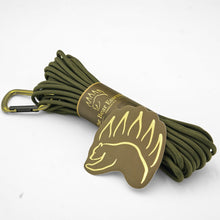
The Bear Essentials Knot Tying Kit
Practise with green and orange ropes, knot reference cards and a pocket tin. Explore the Camping Knots Edition.
Get the Bundle